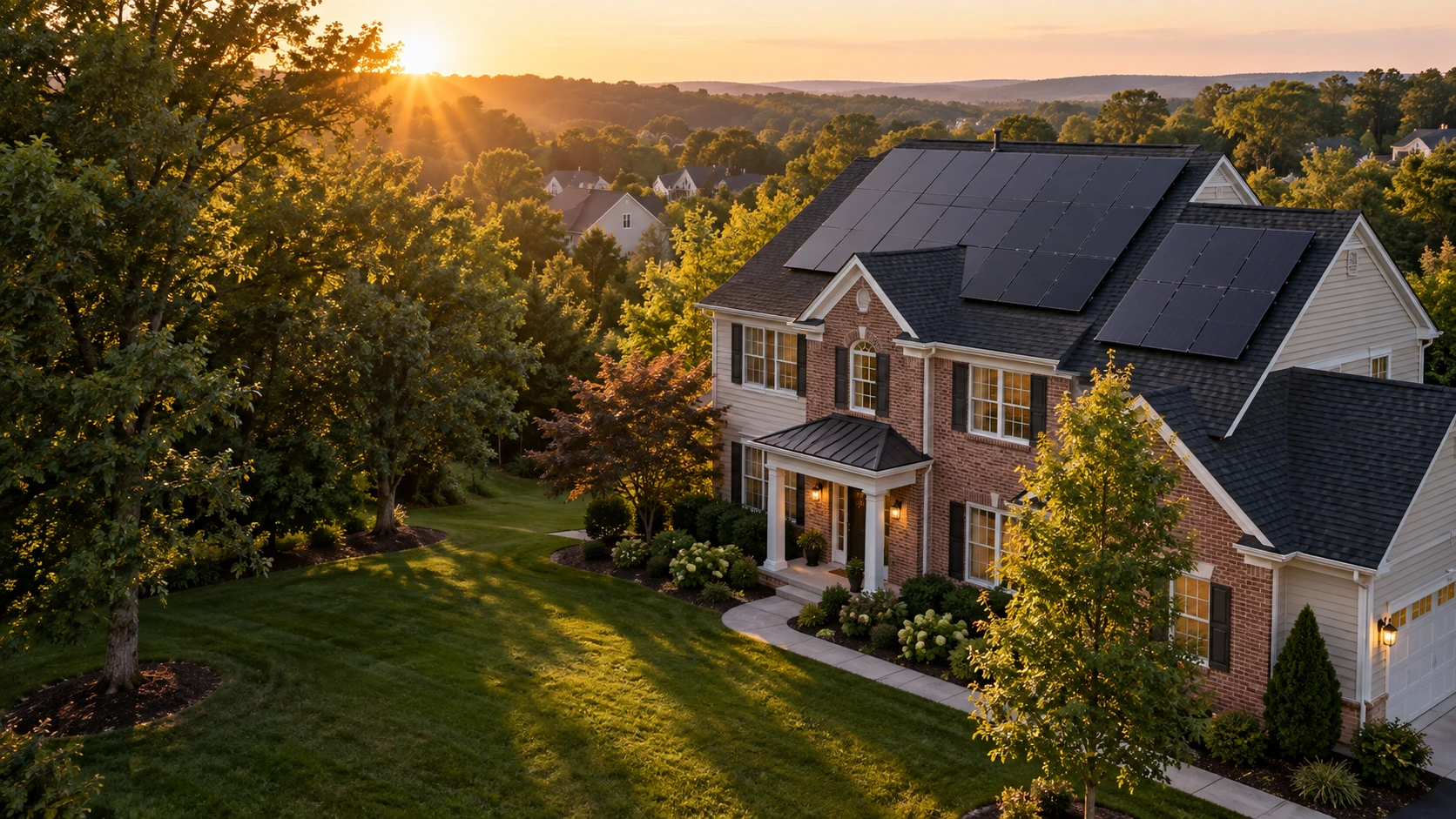
A solar provider puts panels on your roof and pays for the whole system. You buy the power it makes at a lower rate than the utility. No loan, no lien, nothing to buy.
Nothing to buy and nothing to finance. The provider pays for the system and owns it. You pay them for the power it makes, at a lower rate than the utility charges, for as long as the agreement runs.
Check my homeFour quick questions, one short call, and if your home qualifies the provider handles the rest.

Answer four questions online. Then we get on a quick call, look at your bill and your roof together, and tell you straight whether your home qualifies.
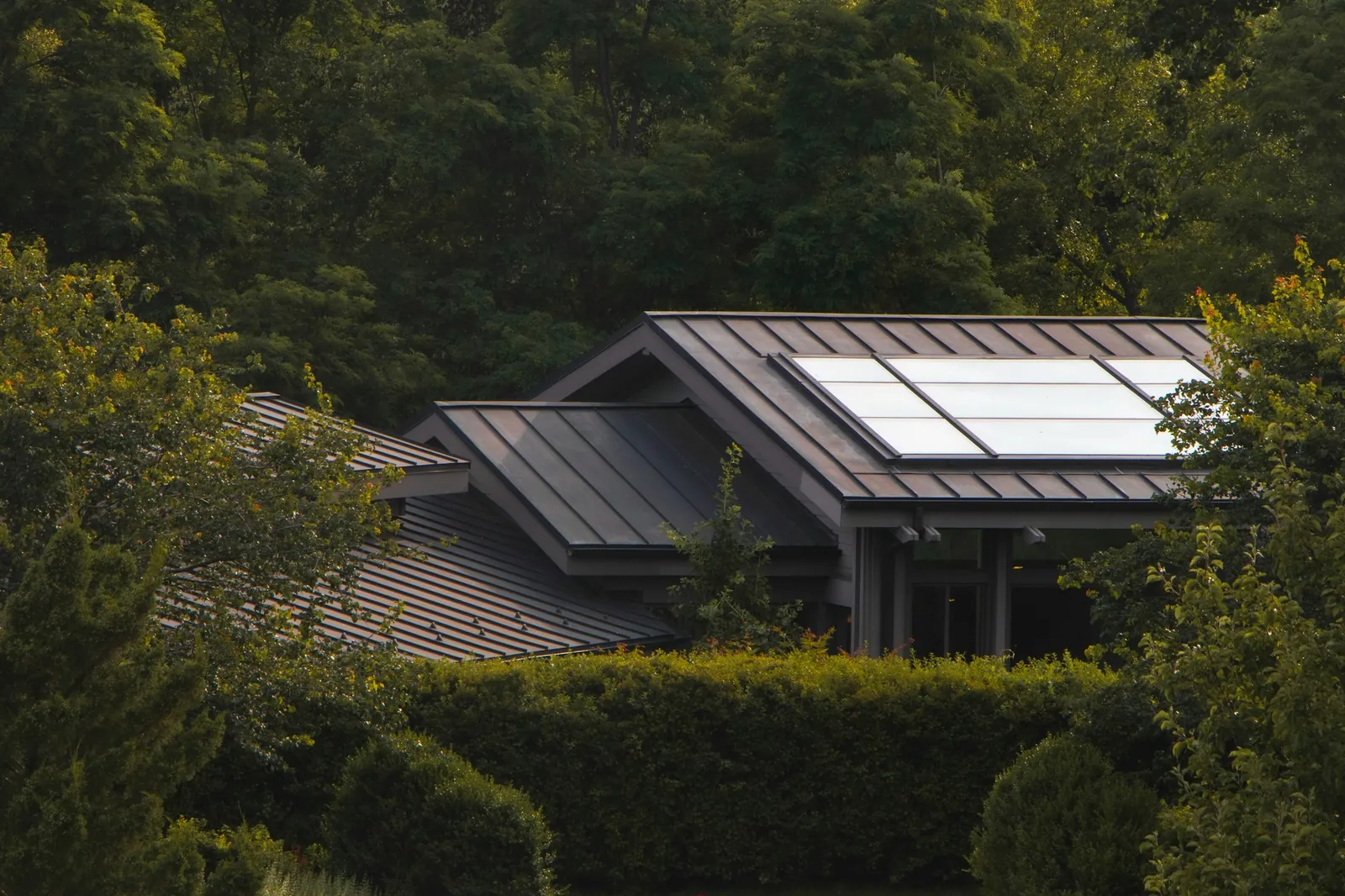
If your home qualifies, the provider pays for the equipment and installation, owns the system, and handles maintenance for the term of the agreement. Nothing is added to your mortgage or your title.
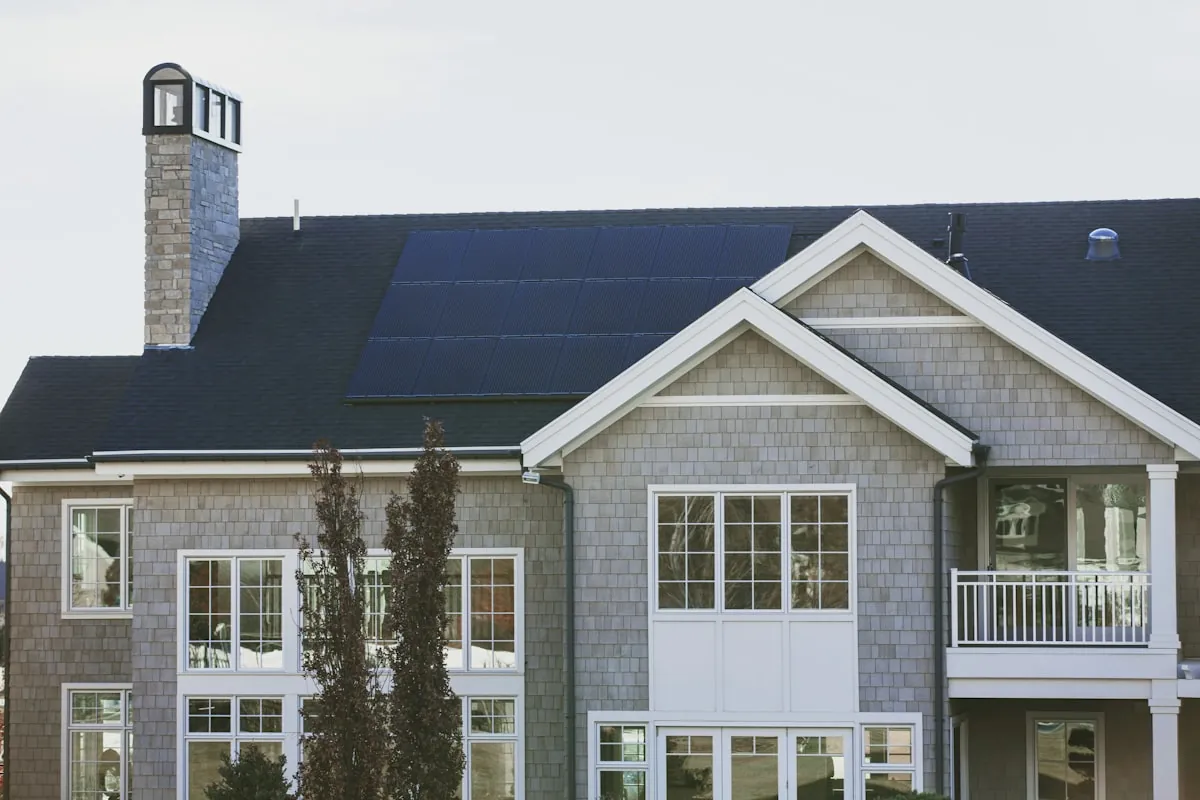
Instead of buying all of your electricity from the utility, you buy what your roof produces from the provider at a lower rate. Homes that qualify typically pay about 30% less for power.
Power in Virginia keeps getting more expensive, and the reasons behind it are not going away.
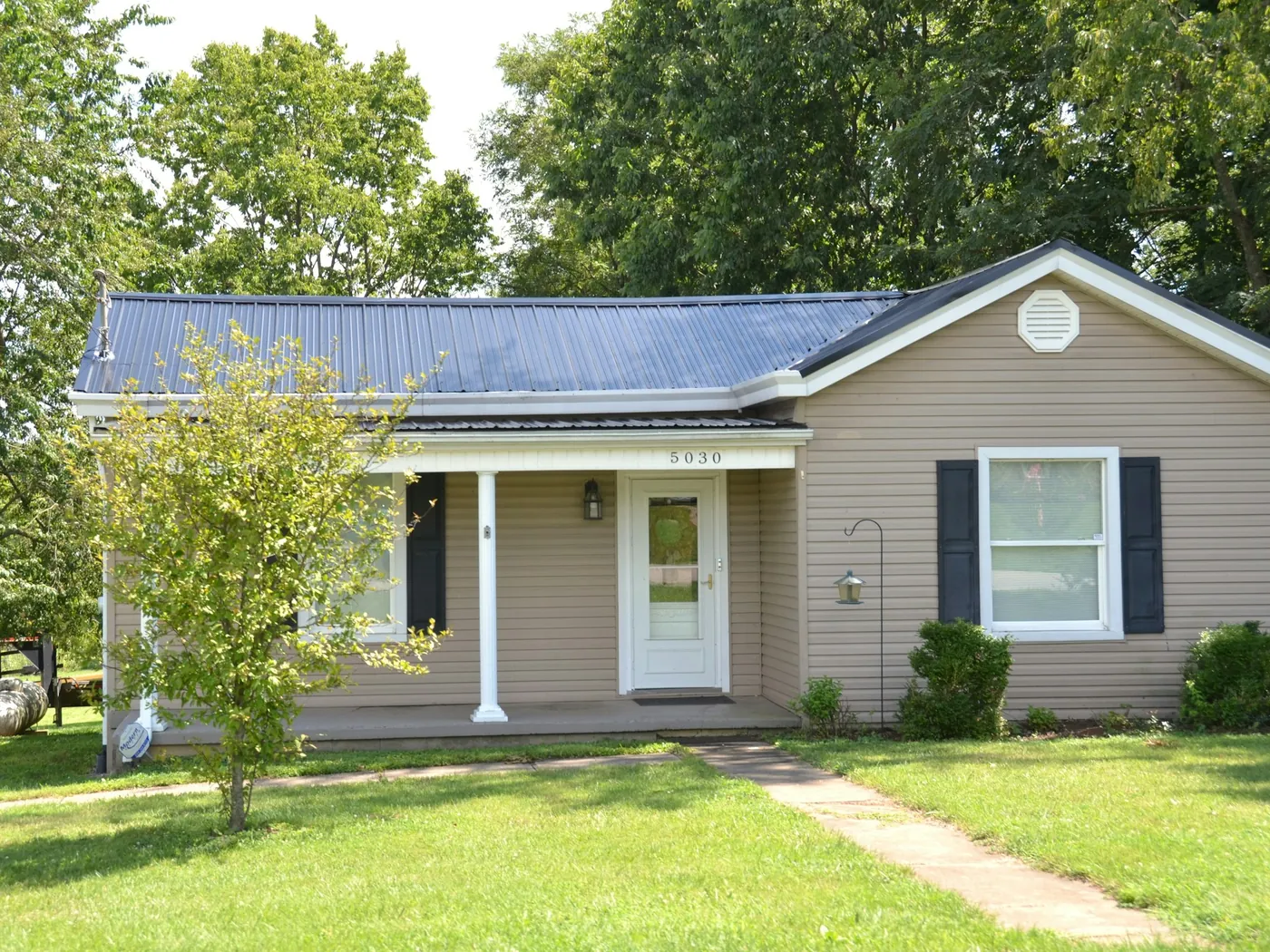
Not every home is a fit. Here is what the provider looks at first.
South-facing roofs are ideal, and east- or west-facing roofs often work. Heavy shade from trees usually rules a home out.
Most qualifying homes pay Dominion Energy or Appalachian Power at least $150 a month. Below that, there is usually not enough usage for the program to make sense.
The agreement is between the provider and the property owner, so rental properties do not qualify.
Virginia Sustainable Energy connects Virginia homeowners with licensed solar providers. Your first call is with one of our program specialists. They go through your bill and roof with you, tell you whether your home qualifies, and walk you through the terms before you sign anything.
(804) 719-8841No. It is a power purchase agreement, which Virginia permits for residential customers. The provider owns the system on your roof and sells you the electricity it produces at an agreed rate. You do not take on debt for the equipment and you do not own it.
National residential solar companies licensed to operate in Virginia. The provider for a given home is determined after the review, based on the roof, the utility, and the fit. You will know which company it is before you sign anything.
We go over your electric bill, your roof, and whether the numbers make sense for your home. If your home does not qualify, you will hear that on the call.
It depends on the provider's agreement. How a sale is handled is covered on the call, with the actual terms in front of you, before anything is signed.
The provider. Because the provider owns the system, monitoring, repairs, and replacements are its responsibility for the term of the agreement.
Four short questions, then your name and mobile number so we can send you the results.